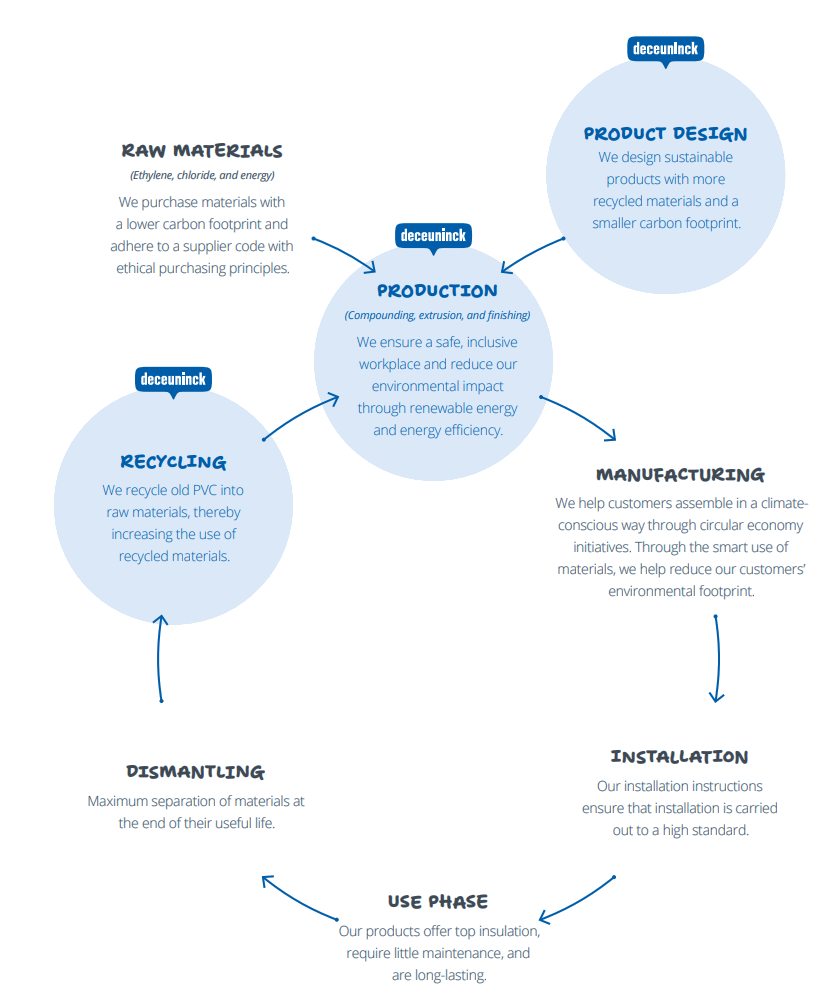
We reduce our environmental impact across the entire value chain.

For our Planet
Reducing our environmental impact
At Deceuninck, we take environmental responsibility across the full lifecycle of our products. From the materials we source to the way we design, produce, use and recycle our solutions, we continuously look for ways to reduce our footprint and create more circular value.
Our environmental approach focuses on two key priorities:
- Reducing carbon emissions
- Increasing recycled content
In addition, we focus on two other environmental topics:
- Reduction of water consumption
- Avoidance of and controlled use of hazardous substances in recycling
Carbon Reduction
Our carbon reduction pathway
Deceuninck is committed to reducing its carbon footprint in a structural and measurable way. Our carbon reduction pathway is aligned with the Science Based Targets initiative (SBTi) and supports our ambitions to achieve carbon neutrality by 2050.
We focus on the areas where we can create the strongest impact: renewable energy, energy efficiency and lower-carbon materials.
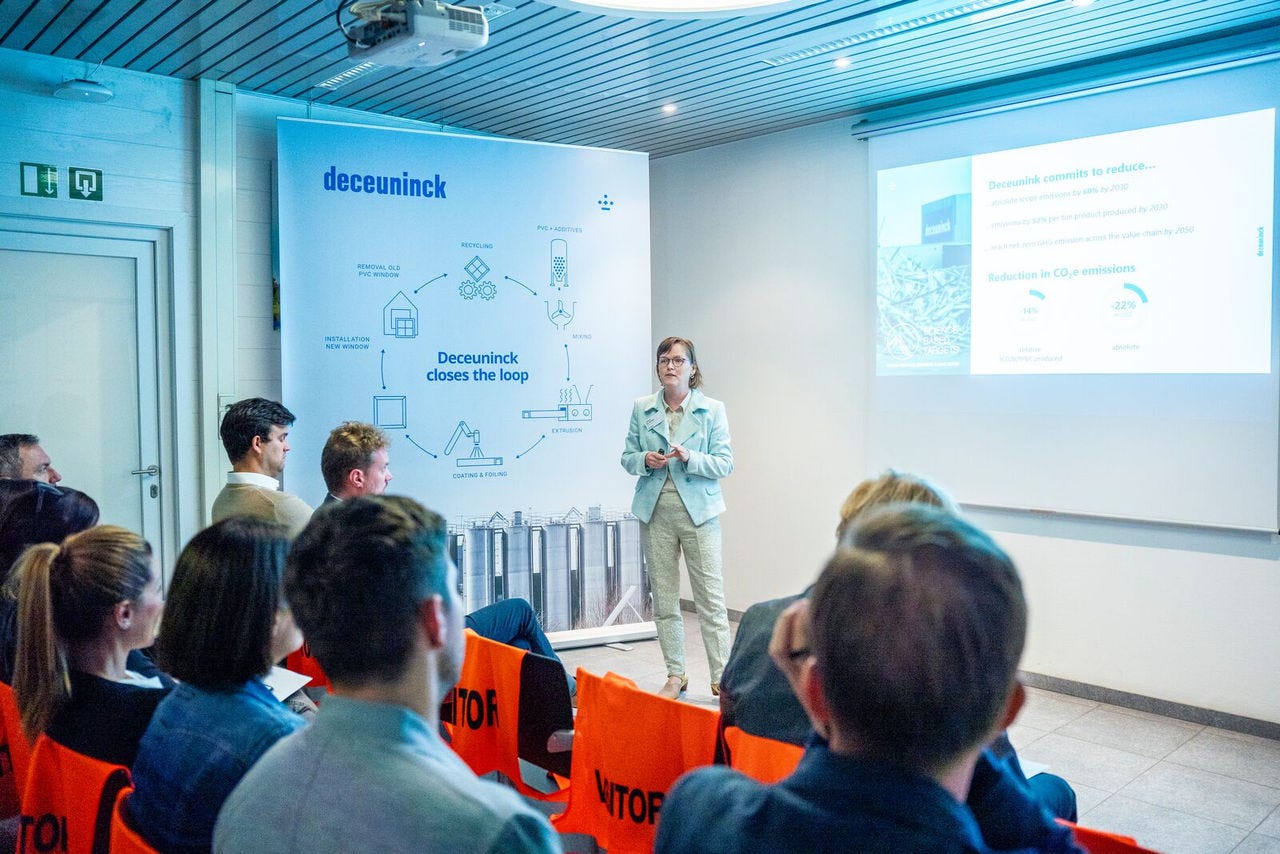
Our carbon reduction roadmap includes investments in energy efficiency in operations and electrification, a phase-out of fuel oil, as well as production and sourcing of renewable energy.”
What we focus on
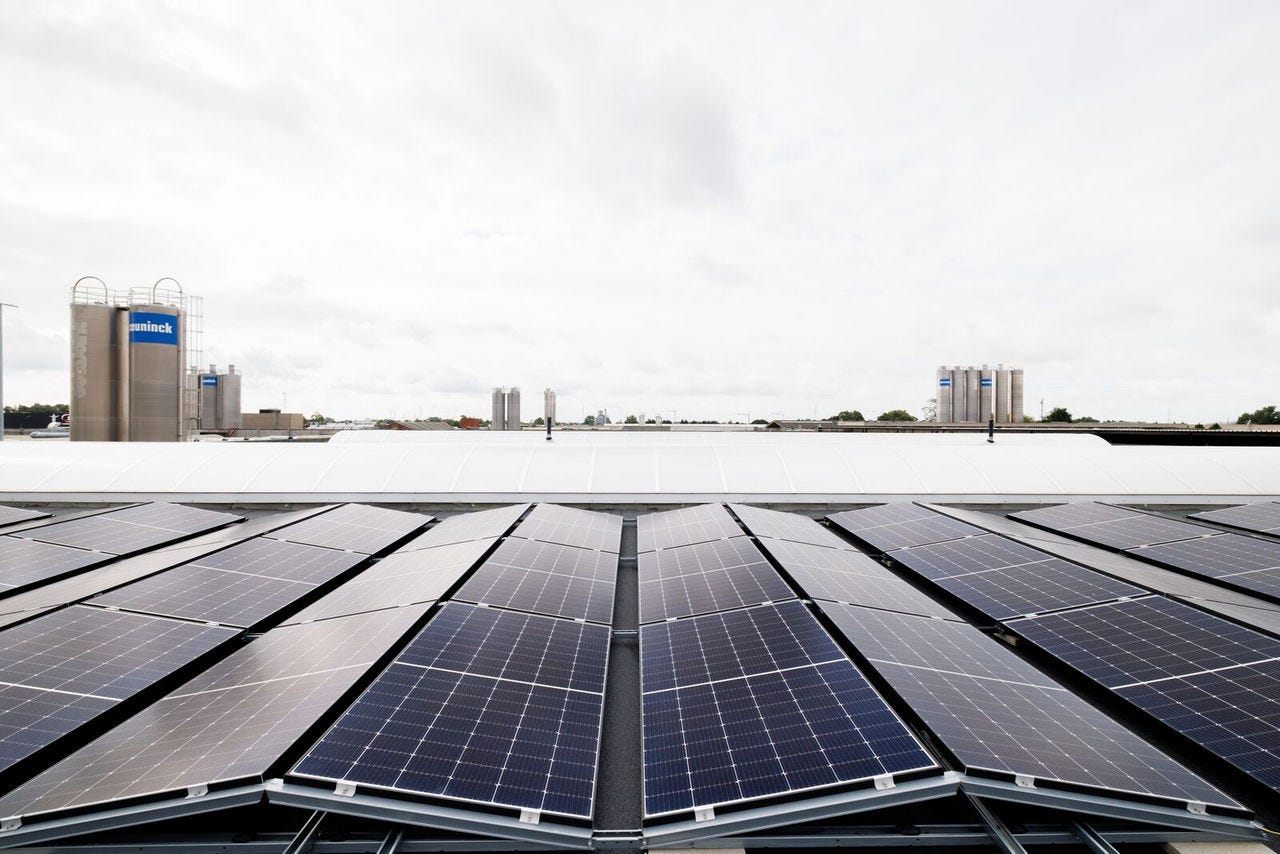
Transition to renewable energy
Expanding solar installations and sourcing green electricity
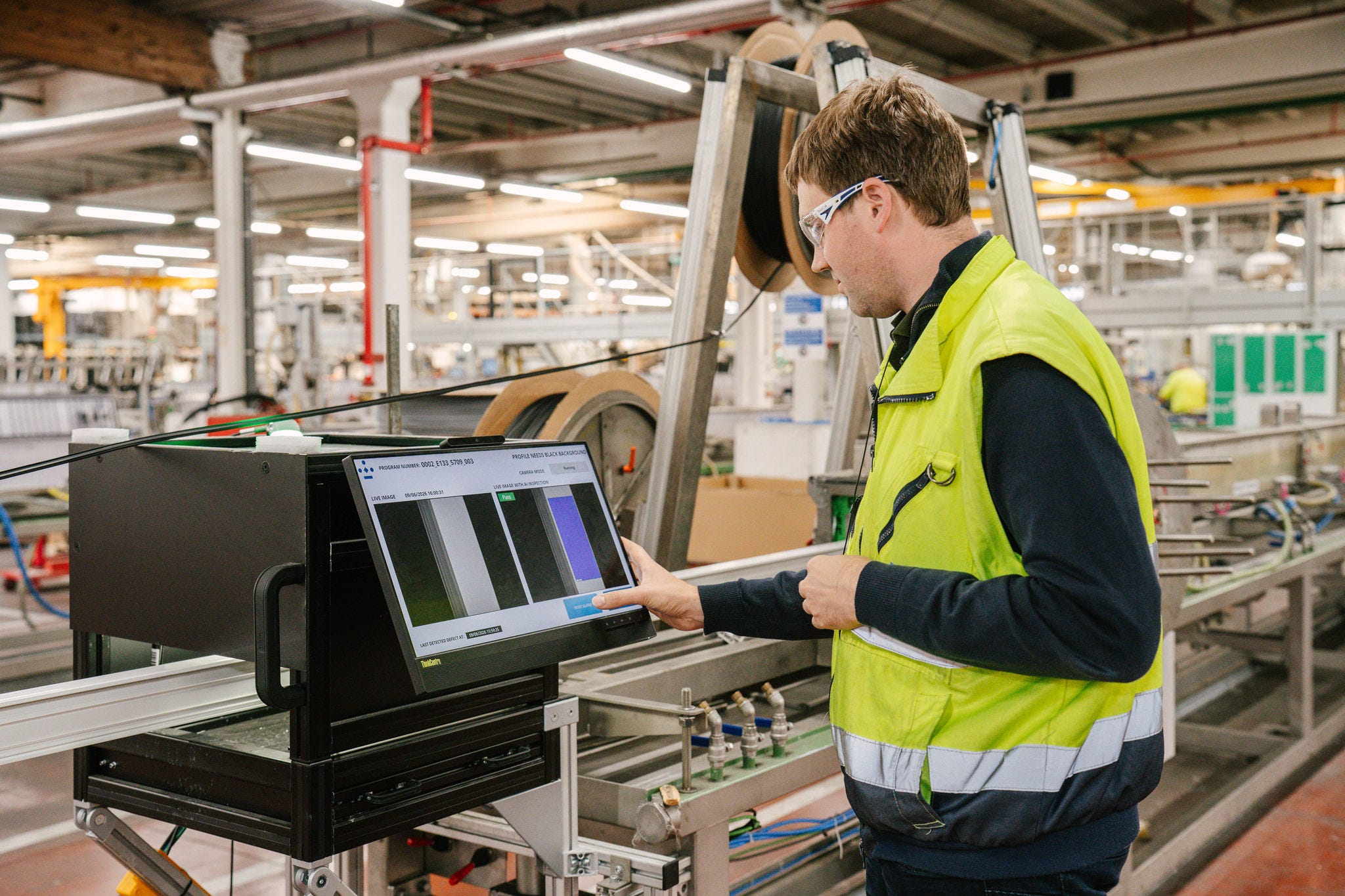
Improving energy efficiency
Optimising processes, machinery, and monitoring systems
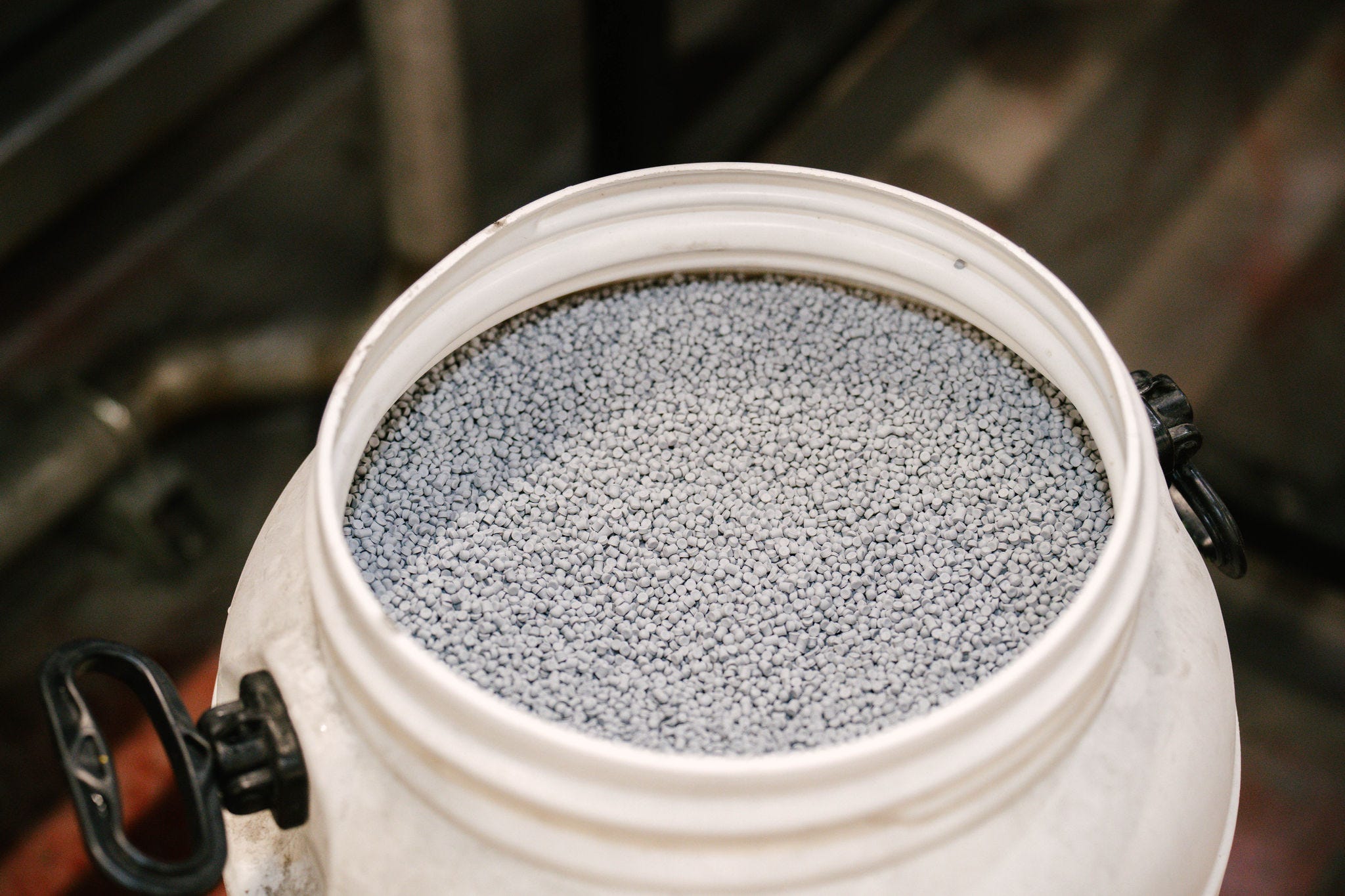
Increasing recycled content
Reducing reliance on virgin raw materials through circular design
Circular materials & recycling
Circularity is a key part of Deceuninck’s sustainability approach. We continuously increase the use of recycled materials, design products with recyclability in mind and invest in recycling technology to keep valuable materials in the loop.
How do we guarantee the quality of our products when working with recycled materials?
Discover how Deceuninck integrates recycled materials into its products while maintaining the performance, durability, and reliability expected by customers worldwide.
Our circular approach
Our circular approach starts with product and process design. By applying design-for-recycling principles and increasing the use of recycled PVC and aluminium, we reduce the need for virgin raw materials and lower the environmental impact of our products.
Co-extrusion enables us to incorporate recycled PVC into new profiles while maintaining the quality and performance customers expect. In our production processes, we also focus on minimising waste and reusing production scrap internally wherever possible.
95% of production scrap is reused internally
Co-extrusion enables the use of recycled PVC
Strong focus on design for recycling
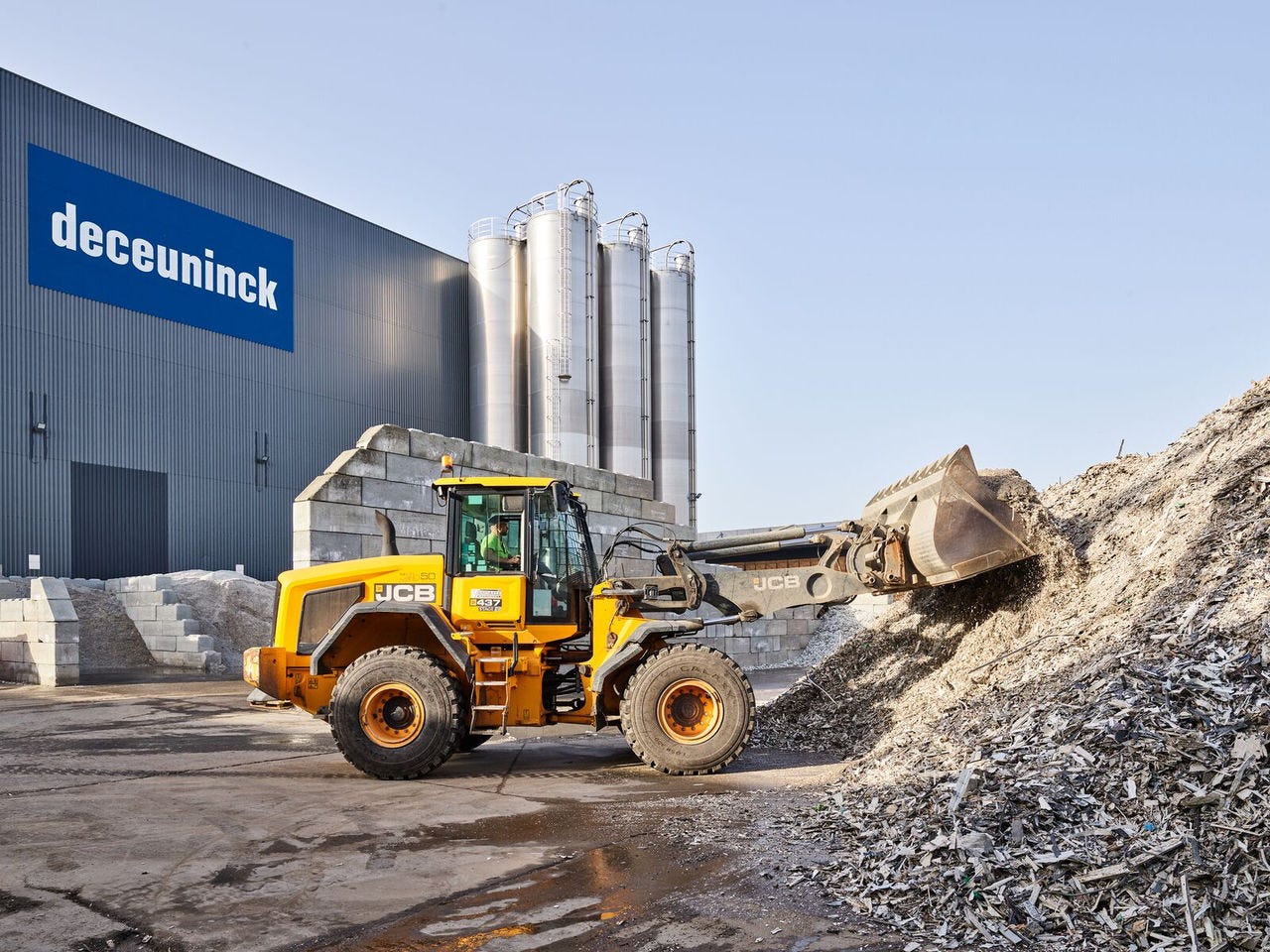
Our recycling plant.
Closing the loop for PVC.
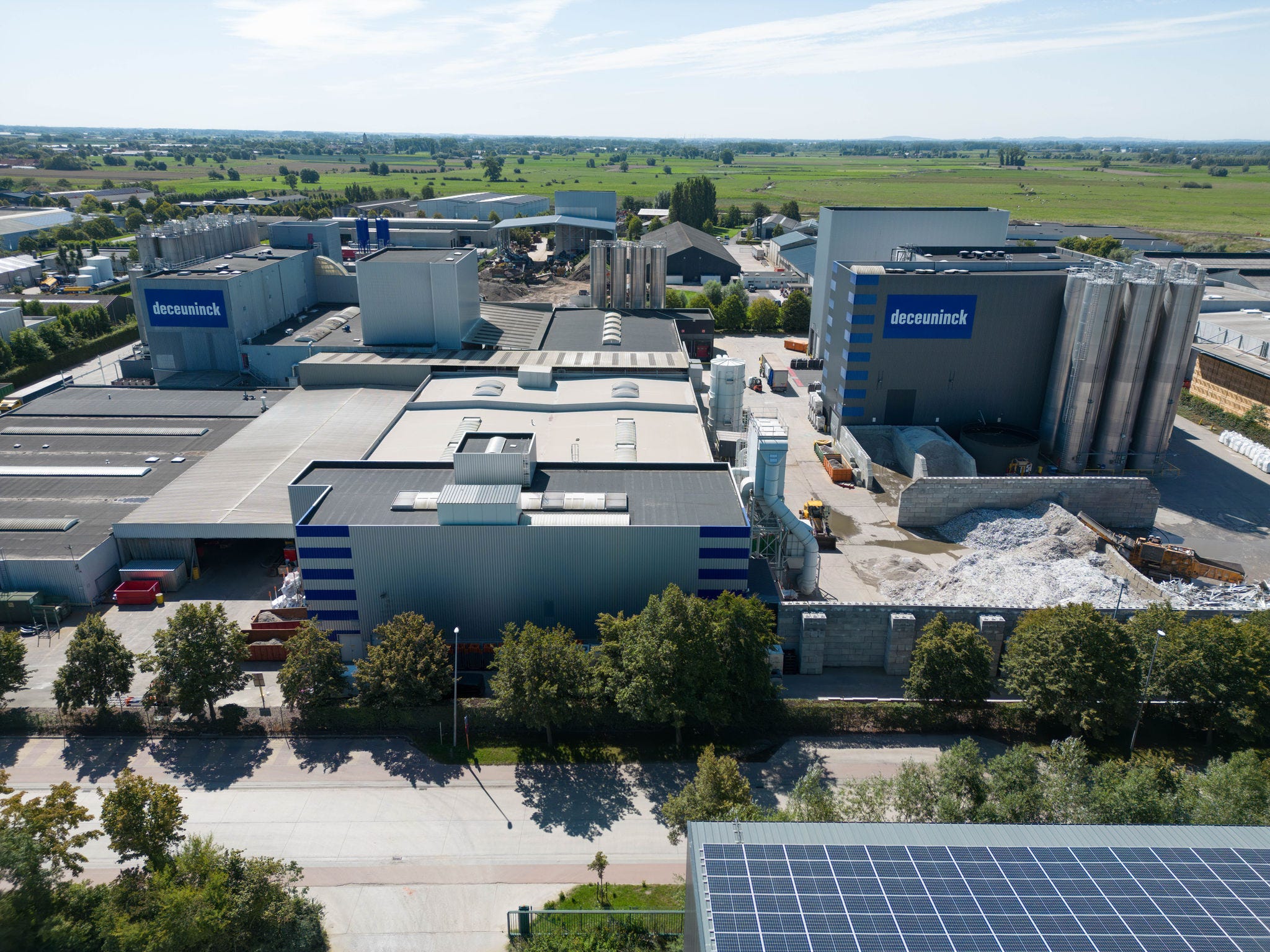
Since opening our recycling plant in Diksmuide, Belgium in 2012, Deceuninck has continued to invest in advanced recycling technology and circular production.
Today, the plant is a cornerstone of our circular strategy. Here, old PVC windows and production waste of window fabricators, are sorted, ground and processed into high-quality PVC granulate that can be reused in new window and door profiles without compromising on quality or performance.
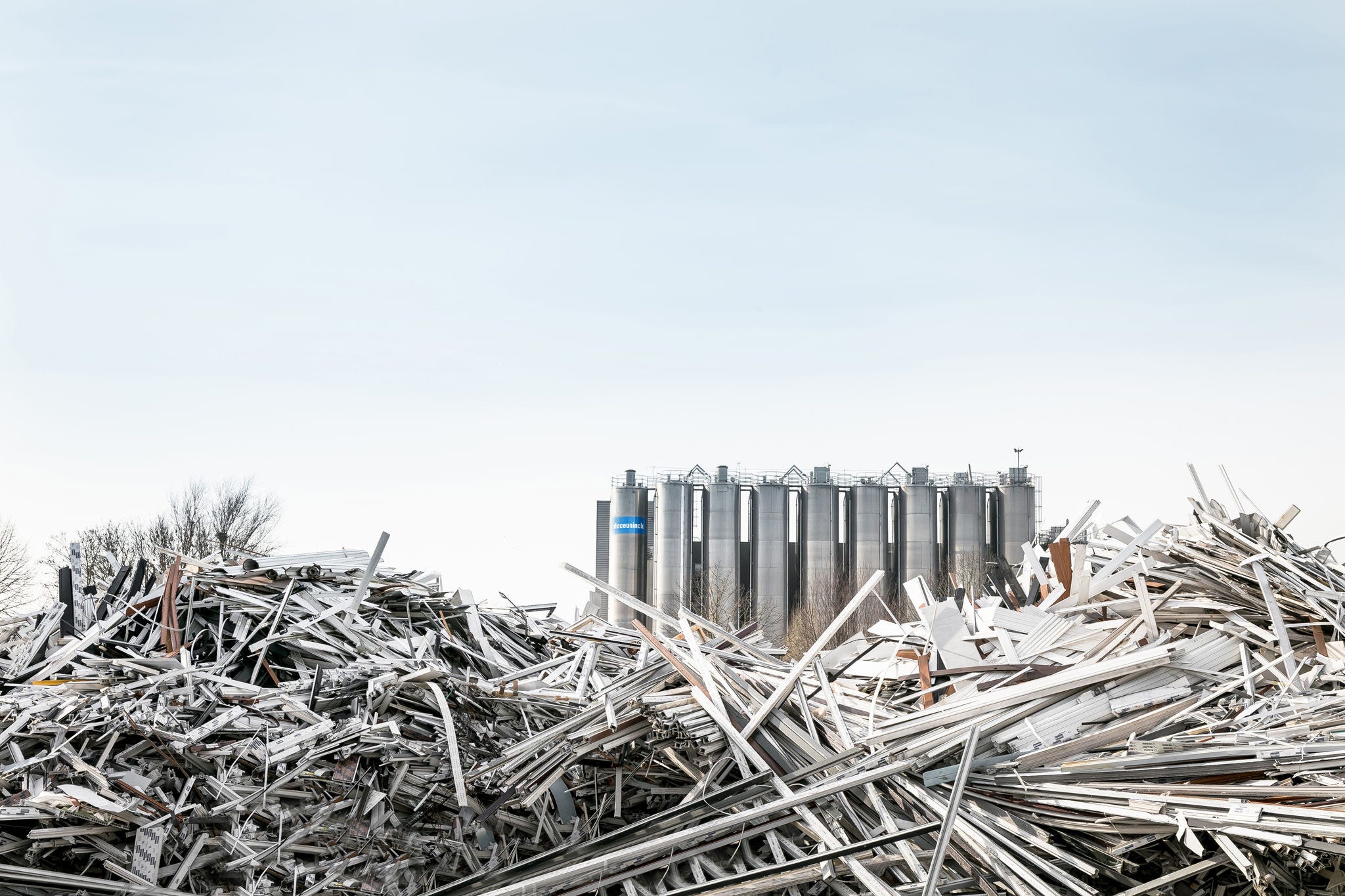
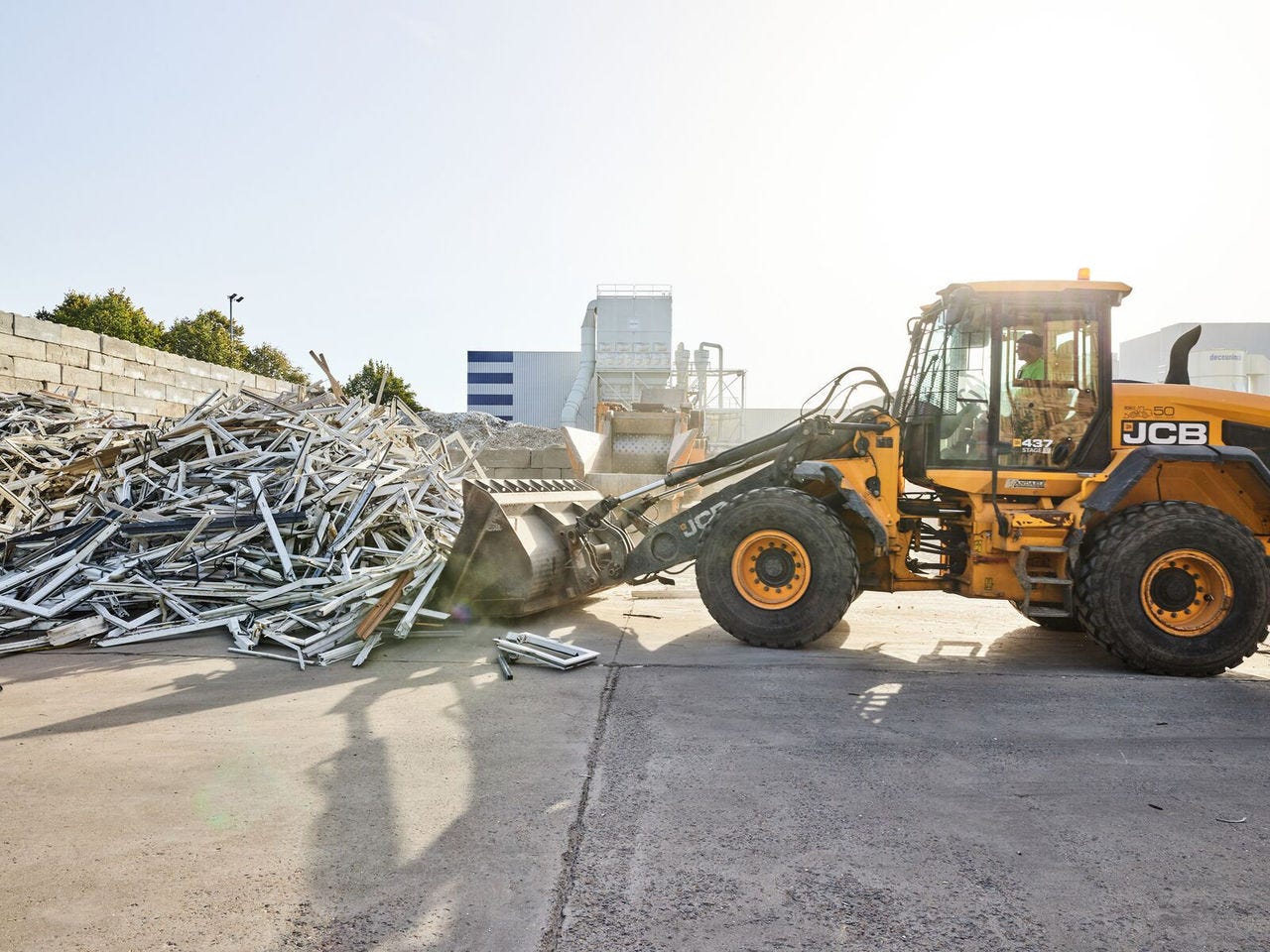
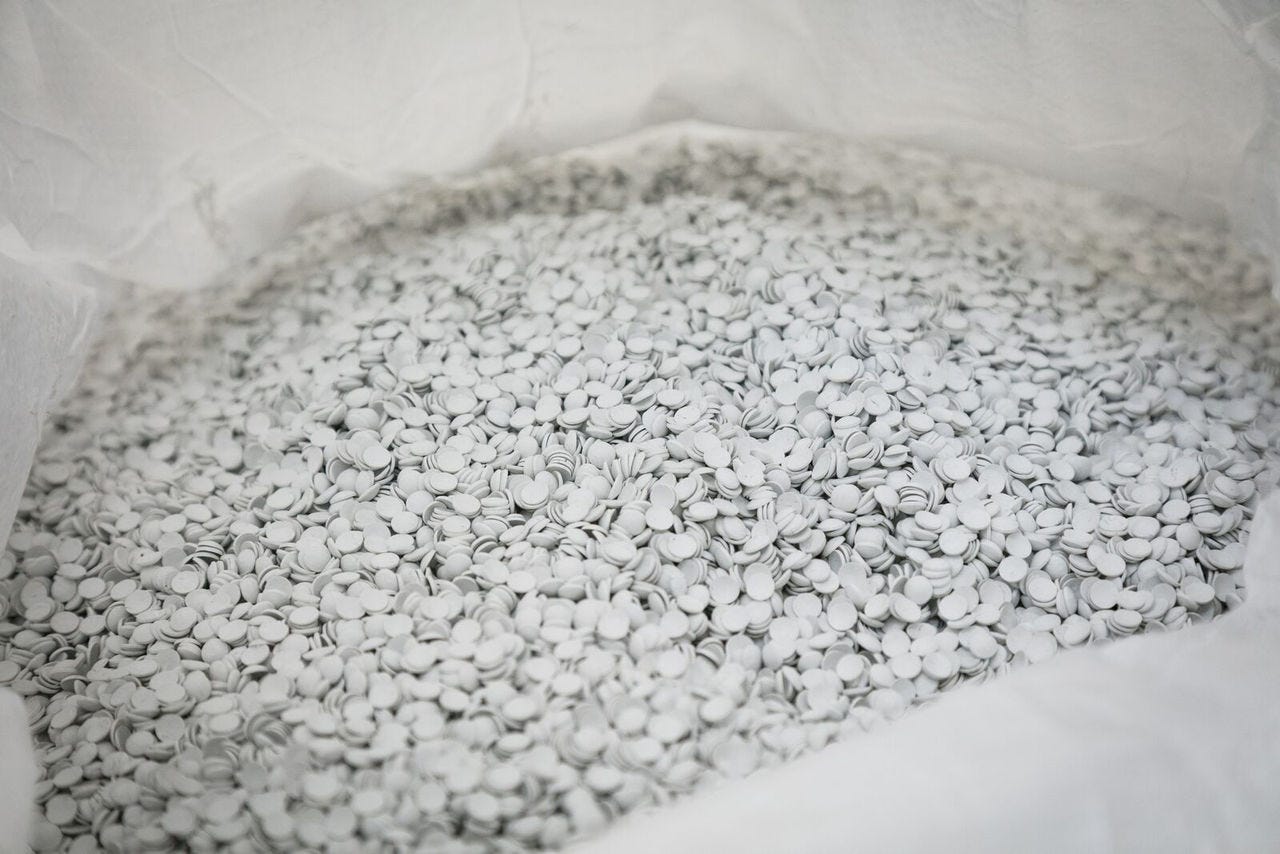
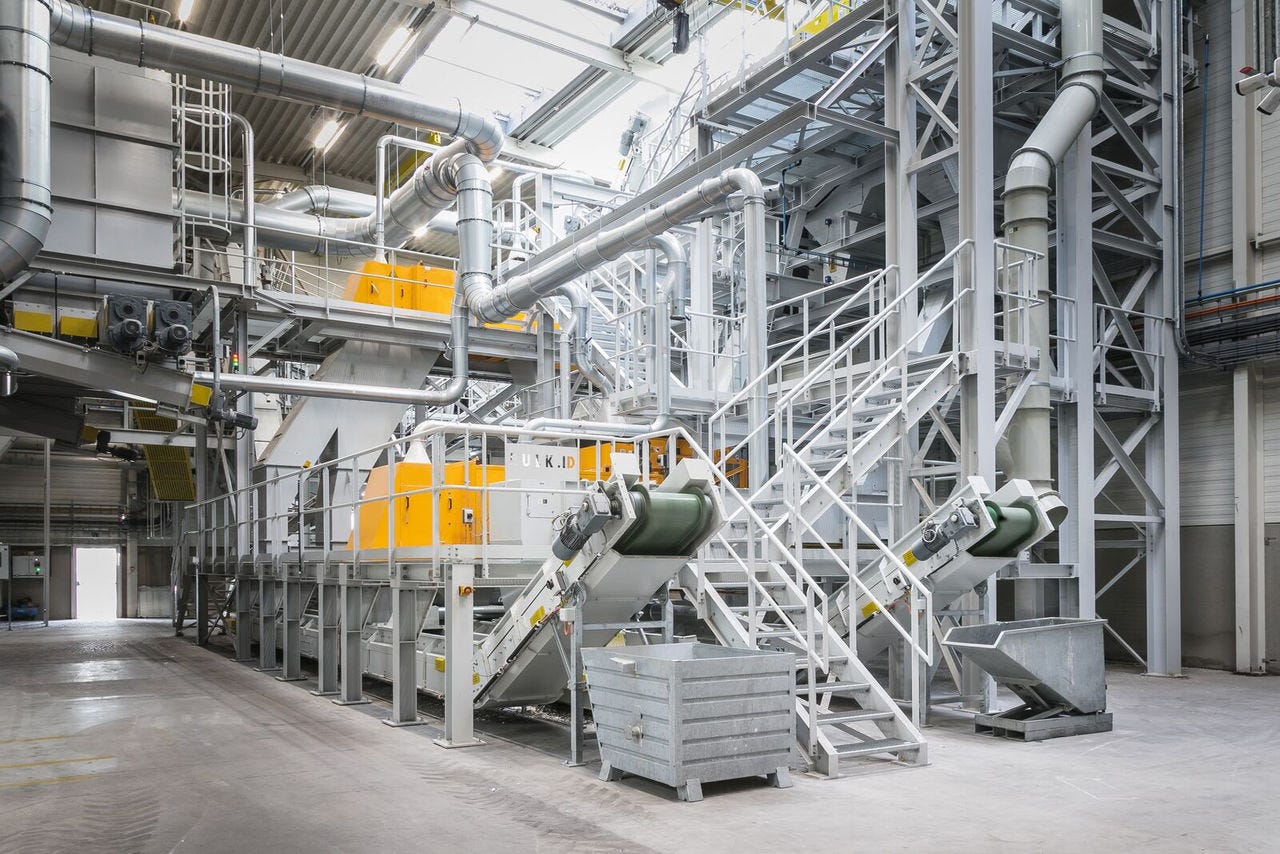
Our impact.
With an annual capacity of 40,000 tonnes, our recycling plant is the largest recycler of rigid PVC in the Benelux and can process the equivalent of up to 2.3 million windows.
We close the loop for 90% of window material streams, while ongoing R&D focuses on reducing the remaining fraction. At the same time, we collaborate with partners and customers to increase collection volumes and further scale recycling.

Our recycling plant opened in 2012.
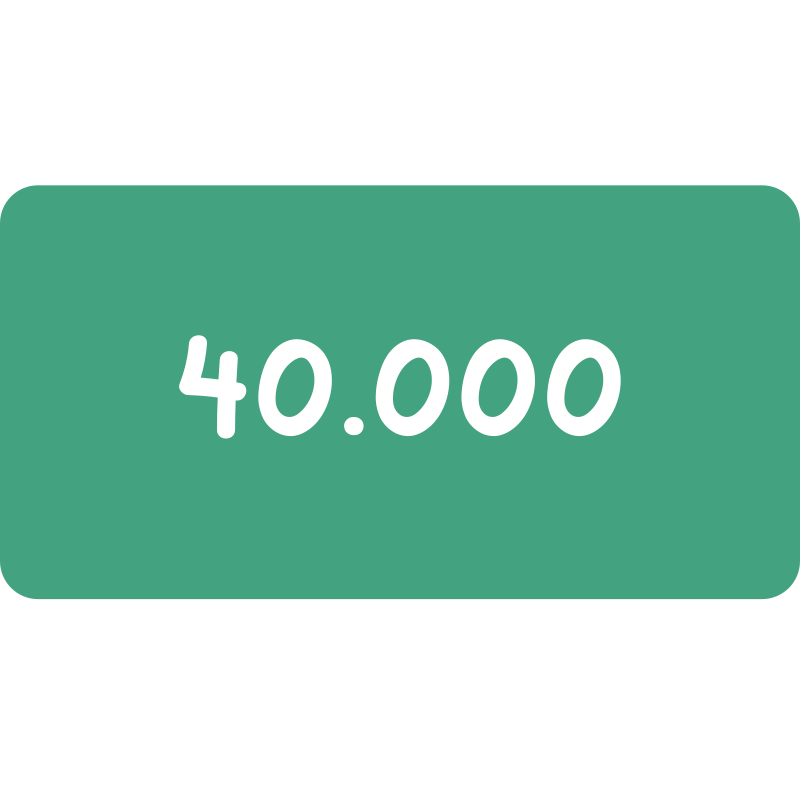
Annual recycling capacity of 40,000 tonnes of rigid PVC.
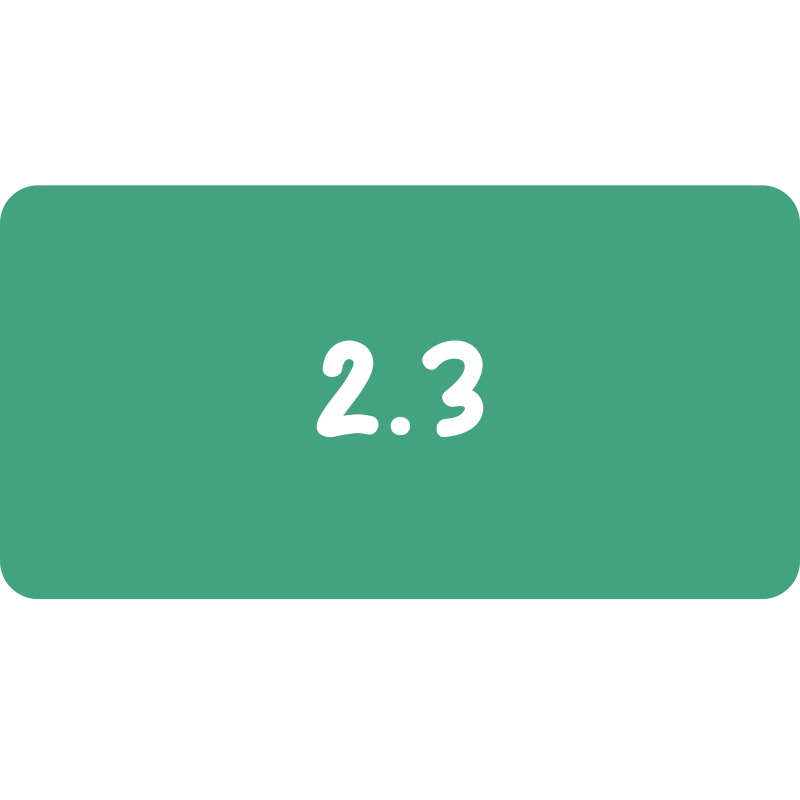
Annual processing capacity equivalent to 2.3 million windows.
From old windows to new profiles.
Our PVC material cycle shows how old windows and production waste are collected, processed and reused in new high-quality profiles. At the end of their life, these products can re-enter the loop and be recycled again.
Our Value Chain
Navigate to our sustainability topics

Sustainability report
Labels & certificates

For our People